How I approach product strategy

How I approach product strategy
Product strategy is not the roadmap document. It is the logic behind the sequence: which user problem matters now, which constraint is real, which risk is worth accepting, and what the team should deliberately not do yet.
The version I trust is practical. It has to survive customer feedback, support pressure, engineering constraints, launch timing, and the messy middle where every team can make a reasonable case for more scope. Good strategy gives people a shared way to make those tradeoffs without pretending uncertainty is gone.
Useful questions
- What user problem are we actually trying to change?
- What would make this valuable enough to notice?
- What has to be true before users, support, and the business can rely on it?
- Which constraints are technical facts, and which are just current habits?
- What should move later because it expands the idea without strengthening the first outcome?
- Which teams need to be involved before the decision hardens?
Those questions keep the work grounded. They turn strategy from a set of preferences into a decision system the team can use when the plan meets reality.
Start with the promise
I like to start by writing the user-facing promise in plain language. Not the feature list. The promise.
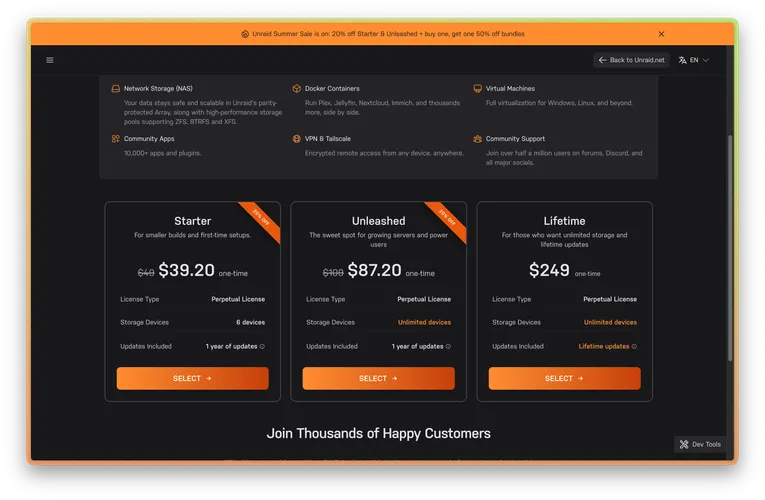
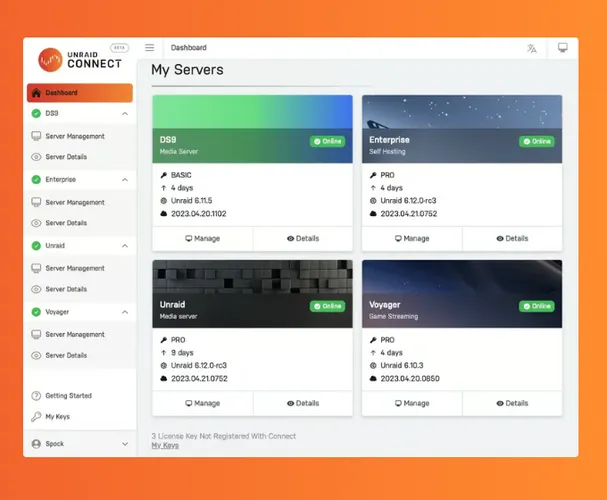
For account systems, that might be: purchases, licenses, and ownership state should be correct and explainable. For Community Apps, it might be: users should be able to find and install trustworthy applications, and maintainers should understand why something was accepted or rejected. For an OS release, it might be: the upgrade should feel coherent, documented, and recoverable.
Once the promise is clear, the product conversation gets sharper. You can ask whether a feature strengthens the promise, whether a migration protects it, whether a UI detail is actually part of trust, and whether a launch risk is acceptable.
Sequence the work
Most product strategy is sequencing. A thing can be important and still not belong in the next release. A feature can be technically impressive and still fail to improve the first user story. A cleanup project can be invisible to users and still be the most important product work because it removes a support or reliability trap.
I usually split scope into three buckets:
- Must land because the product promise fails without it.
- Should land if it reduces launch risk, support burden, or user confusion.
- Should move because it expands the idea without improving the first outcome.
That framing keeps the conversation honest. Deferring something does not mean it is unimportant. It means the current sequence has a job, and the next sequence can have a different one.
Respect the system around the product
Products do not land only in the UI. They land in support queues, documentation, billing systems, internal tools, dashboards, partner workflows, monitoring, and the assumptions engineers have to carry after launch.
That is why I treat operational readiness as product work. If support cannot explain the state of an account, the account product is not done. If maintainers cannot understand a validation failure, the ecosystem product is not done. If marketing cannot capture the workflow because the UI is not stable, the release is not ready for a public story.
The best planning output is not a beautiful roadmap. It is a decision trail that helps engineering, product, support, and marketing explain the same tradeoffs. When that happens, the strategy is doing its job: the product gets easier to build, easier to operate, and easier for users to trust.